
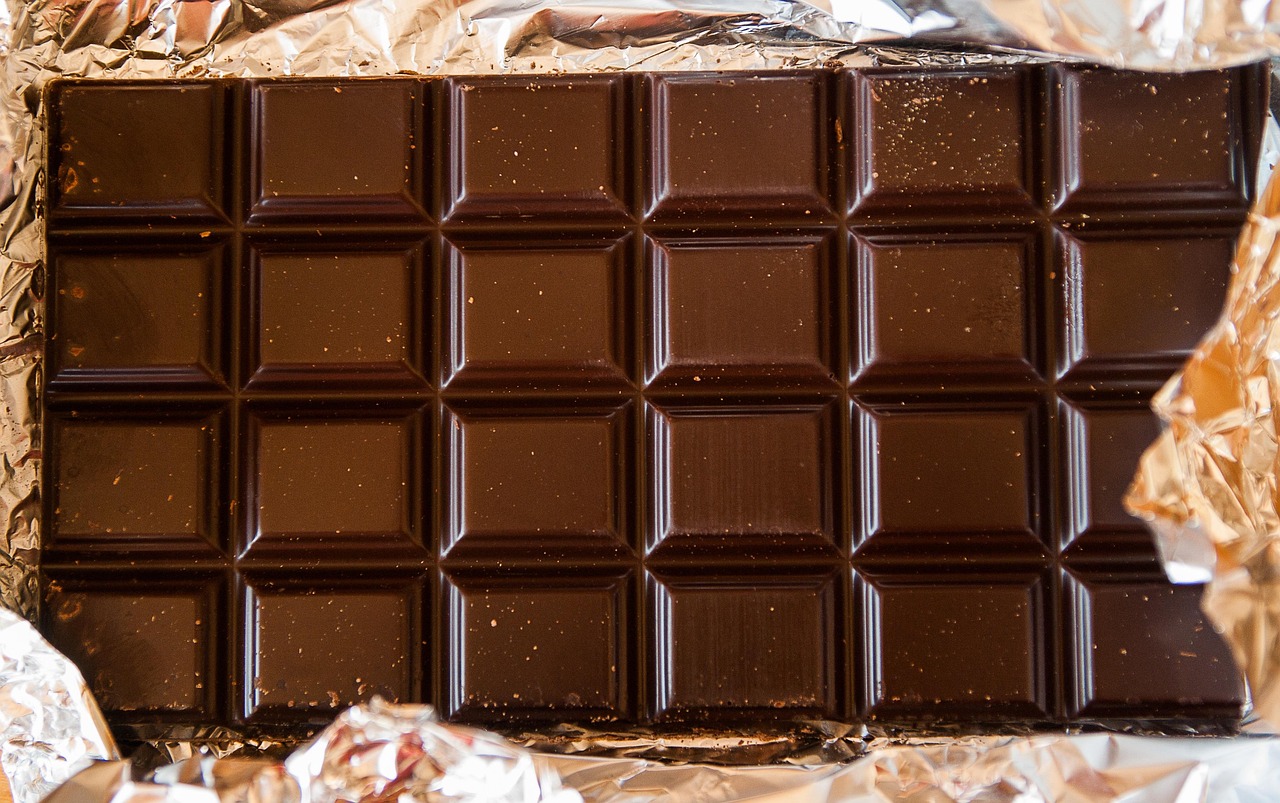
Most people assume chocolate has always come in bar form. It hasn’t. For most of chocolate’s history — thousands of years, actually — it was a drink. Bitter, sometimes spiced, and completely unrecognizable compared to what you’d pick up at a checkout counter today.
The bar only arrived in the mid-1800s, when advances in processing finally made it possible to mix cocoa solids, cocoa butter, and sugar into a stable solid. Before that, turning cacao into something you could hold in your hand wasn’t technically feasible.
That shift didn’t just change how people ate chocolate. It changed who could enjoy it and when. A beverage requires preparation. A bar requires nothing — just a wrapper and a free hand.
As someone who’s spent years studying chocolate production and consumer trends, I’d argue that invention was as significant as the printing press — just a lot more delicious.
The Main Types of Chocolate Bars (And What Actually Sets Them Apart)
The chocolate aisle can feel overwhelming, but most bars fall into four clear categories. Knowing the difference makes you a smarter buyer — and a better gift-giver.
Milk Chocolate Bars
Milk chocolate bars combine cocoa solids with milk powder and sugar. The result is the sweet, creamy flavor that most people picture when they hear the word “chocolate.” It’s approachable, it melts well, and it sells more than any other type for a reason.
If you grew up raiding a Halloween bag, this is the bar that shaped your baseline.
Dark Chocolate Bars
Higher cocoa content, less sugar, more complexity. Dark chocolate bars can taste fruity, earthy, nutty, or bitter depending on the origin of the beans. They’re also where most of the health conversation happens — cocoa flavanols, antioxidants, all of it.
My honest take: a well-made 70% dark bar will outlast any milk chocolate in your memory. The flavor evolves as it melts.
White Chocolate Bars
A white chocolate bar contains no cocoa solids — just cocoa butter, sugar, and milk solids. That’s why purists argue it isn’t “real” chocolate. Technically, they have a point. But great white chocolate has a depth of flavor that gets completely overlooked in this debate.
Look for bars that list cocoa butter high on the ingredient list. That’s how you separate quality white chocolate from the waxy stuff.
Flavored and Filled Bars
Sea salt. Raspberries. Tahini. Cardamom. The category has exploded over the past decade, and for good reason — chocolate is one of the most flavor-compatible foods on the planet.
These bars push the format further and attract people who’d never reach for a plain square. That’s good for everyone.
How a Chocolate Bar Goes From Bean to Bar
The bean to chocolate bar process is longer and more involved than most people realize. Here’s a simplified version of what actually happens:
- Cacao beans are harvested, fermented, and dried — fermentation is where a lot of flavor develops
- The beans are roasted, then cracked and winnowed to remove the husks
- What remains gets ground into cocoa mass (also called cocoa liquor)
- The cocoa mass is pressed to separate cocoa butter from cocoa solids
- Both are recombined in specific ratios, along with sugar and milk powder for milk chocolate
- The mixture goes through conching — extended mixing that smooths texture and develops flavor
- Finally, it’s tempered, molded, cooled, and packaged
Conching can take anywhere from a few hours to several days. Longer conching generally means a smoother bar — and a higher price tag. That’s not marketing. That’s just the physics of particle size reduction.
The bean to chocolate bar journey is where craft makers and mass producers most visibly diverge. Industrial production prioritizes speed and consistency. Artisan production prioritizes flavor development. Both make good bars — just different ones.
Why a Large Chocolate Bar Hits Differently
There’s a behavioral economics concept called the “unit effect” — people tend to consume based on unit boundaries, not actual hunger. A single-serve bar signals “one portion.” A large chocolate bar signals something different: sharing, occasion, abundance.
Think about it practically. Someone walks into a team meeting with a large chocolate bar and breaks it open. Within 90 seconds, the whole room is engaged. That same quantity in mini-bar form? Nobody notices.
Format shapes behavior. A large bar doesn’t just deliver more chocolate — it creates a different experience. It’s the difference between a snack and a moment.
From a purchasing standpoint, large bars also deliver better value per gram. If you’re buying chocolate for baking or extended enjoyment, buying big almost always makes financial sense.
In my experience, people who keep a large chocolate bar in their kitchen eat it more slowly and mindfully than people who keep a box of minis. The psychology of portioning is real.
Chocolate Bars and Chocolate Powder: Same Origin, Different Purpose
If you bake, you’ve used chocolate powder — cocoa powder. And if you’ve ever wondered why cocoa powder and melted chocolate bars behave so differently in recipes, the answer comes down to fat.
Chocolate powder is made by pressing cocoa mass until most of the cocoa butter is extracted. What’s left behind gets dried and ground into that fine, intensely flavored powder. Because the fat is largely removed, cocoa powder gives you concentrated chocolate flavor without added richness.
A chocolate bar, by contrast, is mostly fat. Cocoa butter makes up 30–50% of most bars by weight. That’s why bars melt smoothly and cocoa powder doesn’t — there’s nothing to melt.
Both start the same way. Both come from cacao. But they’ve been processed toward completely different goals.
Some craft makers actually blend chocolate powder back into their bars at the recipe stage to increase intensity without adding more cocoa butter. It’s a neat trick that gives certain bars that extra-deep flavor you can’t quite explain.
My suggestion: keep both in your kitchen. They’re not interchangeable — they’re complementary. Chocolate powder for baking. A good bar for everything else.
Why Chocolate Bars Have Stayed Relevant for 175+ Years
Most food formats come and go. Chocolate bars haven’t. There’s a reason for that.
They’re portable, affordable, shelf-stable, and satisfying in a way that most snacks aren’t. But more than the practical stuff, they carry emotional weight. Chocolate bars show up at celebrations, at funerals, in care packages, in Valentine’s displays, and at gas stations at 11pm when you just need something.
The white chocolate bar gets overlooked in these conversations, which is a shame. Done well — real cocoa butter, not vegetable oil — it brings a buttery sweetness that pairs beautifully with fruit and nuts. It deserves more credit.
And as makers keep experimenting — single-origin sourcing, transparent supply chains, unusual inclusions — the bar format keeps proving it has room to grow.
The bean to chocolate bar movement, driven by small-batch producers who control every step from farm to wrapper, has brought a level of quality and traceability to chocolate that didn’t exist 20 years ago. That’s genuinely exciting if you care about both flavor and ethics.
Whether you want a 25-cent milk chocolate bar from a vending machine or a $18 single-origin 75% dark from a craft producer — both have their place. That range is the whole point.
We’ll keep covering all of it here: the bars, the chocolate powder, the techniques, and the stories behind what makes great chocolate actually great. Grab a square and stick around.