
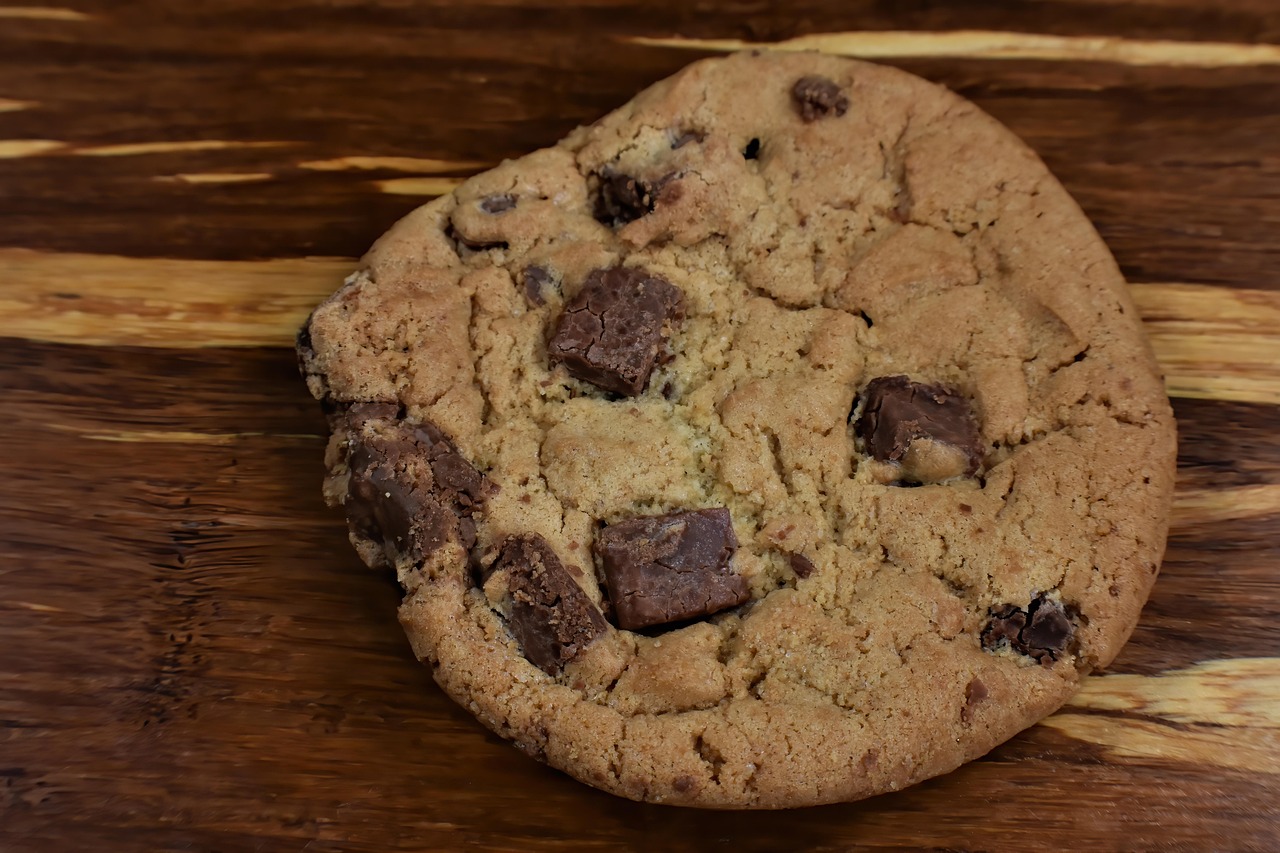
Most pantry staples have a narrow job. Baking soda leavens things. Vanilla extract flavors things. Flour holds things together.
Chocolate chips do something different. They fold into cookie dough, melt into sauces, run through a chocolate fountain, get stirred into oatmeal at 7am, and disappear by the handful straight from the bag before anything gets baked at all.
They’re one of the few ingredients that genuinely spans every level of cooking — beginner to professional, weeknight to wedding. And yet most people buy them on autopilot without thinking much about what type they’re getting or why it matters.
It matters more than you’d think. Here’s the full picture.
The Accidental Origin of the Chocolate Chip
Ruth Wakefield didn’t set out to invent anything. In the 1930s, she was running the Toll House Inn in Massachusetts and baking cookies for her guests. One batch, she chopped up a Nestlé chocolate bar and mixed the pieces into her dough, expecting the chocolate to melt completely and distribute through the cookie the way cocoa powder would.
It didn’t melt. The pieces softened but held their shape, creating distinct pockets of chocolate in every bite. Guests went back for seconds. Word spread.
Nestlé caught on, licensed Wakefield’s recipe for their packaging, and started manufacturing pre-shaped chocolate morsels so bakers didn’t have to chop bars themselves. That product became the standard chocolate chip — and it’s been a pantry fixture ever since.
The detail most people gloss over: chips were specifically engineered after that accident to hold their shape under heat. That engineering decision is why they behave differently from bar chocolate when you melt them, and understanding it saves a lot of frustration in the kitchen. A failed ganache made with chips isn’t a skill problem — it’s a formulation mismatch.
Which Type of Chip You Actually Need
The chip aisle has expanded considerably. Here’s what the main options actually do and when each one earns its place:
Semi-sweet
The default for a reason. Balanced sweetness, solid chocolate flavor, plays well with almost every other ingredient. When a recipe just says “chocolate chips,” this is what it means. Buy a good bag and keep it stocked.
Milk chocolate
Sweeter, creamier, lower cocoa content. Better in recipes where you want chocolate warmth rather than chocolate intensity — think granola bars, banana bread, pancake batter. Underrated in trail mix.
Dark chocolate
Higher cocoa content, less sugar, noticeably more bitter. These are the chips to reach for when the chocolate needs to hold its own against strong competing flavors — coffee, orange zest, sea salt, dried fruit. They also tend to be a better match for adults who’ve moved away from very sweet desserts.
Sugar free chocolate chips
Made with sugar alcohols — erythritol, maltitol, or stevia blends — instead of cane sugar. The flavor is closer to semi-sweet than you might expect, though some brands have a mild cooling aftertaste depending on the sweetener used. Sugar free chocolate chips have genuinely improved over the last five years; the early versions were noticeably waxy and flat, and the better current options aren’t. If you bake regularly for someone managing blood sugar or following a low-carb diet, they’re worth keeping on hand as a permanent swap, not a reluctant accommodation.
Dairy free chocolate chips
Standard dark chips sometimes contain milk solids; milk chocolate chips always do. Dairy free chocolate chips use cocoa butter and sugar without the dairy — the key buying tip is to check whether the fat base is cocoa butter or a vegetable oil substitute. Cocoa butter versions melt and behave nearly identically to conventional chips. Vegetable oil versions are cheaper but handle differently and tend to taste flatter. If you’re baking for dairy-allergic guests, the cocoa butter version is the one worth spending slightly more on.
Mini and jumbo
Size changes distribution and bite texture, not flavor. Mini chips scatter more evenly through thin batters — ideal for muffins, pancakes, and loaf cakes where you want chocolate in every bite. Jumbo chips create deliberate, dramatic chocolate pockets — better in thick cookies and scones where a big chunk of chocolate is part of the point.
The School Bake Sale Lesson
A parent volunteered to bring cookies to a school fundraiser. She planned to make one type: classic chocolate chip cookies, semi-sweet, the reliable crowd-pleaser. Simple, fast, done.
At the last minute, she remembered that two kids in her son’s class had dairy allergies. She swapped half the batch to dairy free chocolate chips — same dough, same bake time, nearly identical result. She put a small card in front of that tray.
The dairy-free tray went first. Not because the cookies were better, but because the kids who needed that option weren’t used to being included in the chocolate chip cookie situation at all. Their parents noticed too.
The ingredient swap cost about 40 cents more per batch. The social return was considerably larger. Keeping dairy free chips alongside regular ones is a small habit with an outsized effect when it matters.
Where Chocolate Chips Work Beyond Cookies
Chocolate chip cookies are the obvious application. These are the less obvious ones that are just as practical:
- Pancakes and waffles: Scatter chips onto the batter surface right after pouring rather than mixing them into the bowl. They press in cleanly without sinking to the bottom and clumping together.
- Granola bars: Stir in after the oat mixture cools slightly so the chips hold their shape instead of melting into brown streaks.
- Chocolate fountain: Chips work well here when melted first with about one tablespoon of neutral oil per cup of chips. The oil lowers viscosity enough to run through the pump properly. Darker chips with higher cocoa content tend to flow more smoothly than milk chocolate through most fountain mechanisms — they’re less prone to thickening as they cool.
- Dipped fruit and bark: Add a teaspoon of coconut oil when melting for a glossier, thinner finish. Strawberries, dried mango, pretzels, and orange peel all dip well.
- Stirred into oatmeal: A small handful added off the heat melts partially on contact and creates a marbled chocolate effect through the bowl. Takes about ten seconds and makes a significant difference to a routine breakfast.
The chocolate fountain tip is the one most people haven’t tried and most consistently produces good results at events. Chips are already portioned, melt evenly, and don’t require any chopping. The oil addition is non-negotiable — without it, the melted chips are too viscous to circulate properly and the fountain stalls.
The One Thing Most People Get Wrong
Chips are designed to hold their shape under heat. The stabilizers that make them useful in the oven are the same stabilizers that make them difficult to work with as a melting chocolate.
When chips seize, go grainy, or set up too thick in a sauce or ganache, that’s the stabilizers doing their job in the wrong context. The fix is adding fat — a teaspoon of neutral oil, coconut oil, or butter — which loosens the structure and produces a workable, pourable consistency.
For anything where smooth texture is the point — a poured glaze, a proper ganache, a molded truffle — use couverture or a melting chocolate bar instead. Chips are the wrong tool for that job regardless of technique, and no amount of careful melting fully compensates for the formulation difference.
This is probably the most practically useful thing to know about chocolate chips and the thing recipe blogs most often skip over. If your chip-based sauce keeps going wrong, the problem is the ingredient choice, not your method.
What to Actually Keep in Your Pantry
One bag of semi-sweet handles most situations. The additions that genuinely earn their shelf space:
- Sugar free chocolate chips if you or someone you regularly cook for is managing blood sugar or following a low-carb diet. Current quality is good enough that you don’t notice the swap in most baked goods.
- Dairy free chocolate chips as a default if you bake for groups or bring food to events. The cocoa butter-based versions are nearly interchangeable with conventional chips and cover you for dairy allergies without changing your recipes.
- Mini chips if you make a lot of muffins, pancakes, or thin-batter bakes where even distribution matters.
That’s three or four bags total. All shelf-stable. All get used. Chocolate chips are one of the few pantry items where having slightly more variety than you think you need reliably pays off — because the moment you need dairy free or sugar free and don’t have them, you notice.