
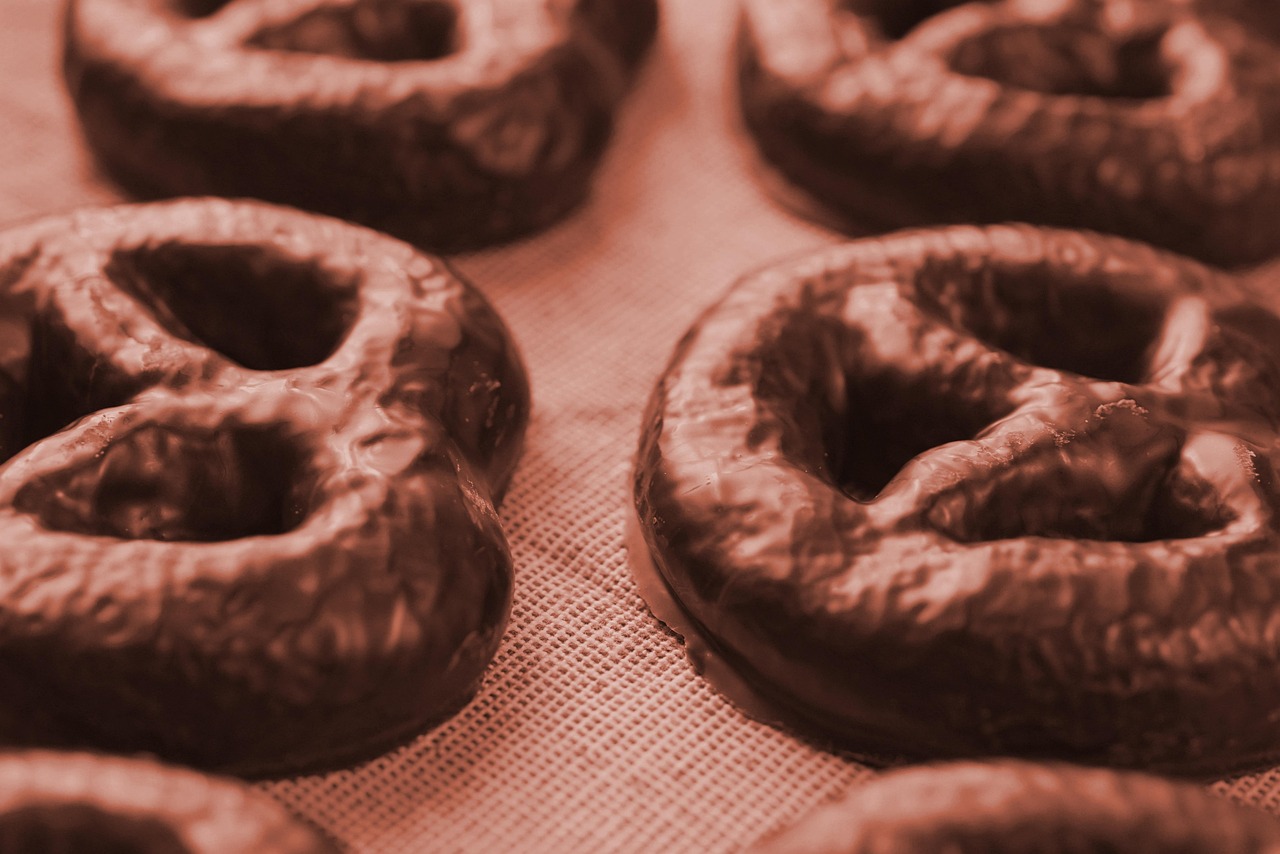
There’s a reliable pattern at any party with a dessert table: the chocolate covered pretzels go first. Not the cake, not the cookies — the pretzels.
It’s not a coincidence. Salt and sweet is one of the most effective flavor combinations in snack food, and pretzels with chocolate hit both sides simultaneously. The pretzel gives you crunch, a mild malty flavor, and salt. The chocolate gives you richness and sweetness. Neither is doing the other’s job — they’re covering different ground in the same bite.
They’re also genuinely easy to make at home. No oven, no precision timing, no specialist equipment. The main things to understand are which chocolate works best for coating, which pretzel format suits which occasion, and the three or four technique details that separate clean results from messy ones.
Why Salt and Chocolate Work Together
Salt doesn’t just add its own flavor — it modifies how you perceive other flavors. Specifically, it suppresses bitterness and amplifies sweetness by interfering with bitter taste receptors on the palate. This is why a pinch of salt in a chocolate recipe makes the chocolate taste noticeably more chocolatey, and why salted caramel became ubiquitous: the salt makes the sweet register more intensely.
In a chocolate covered pretzel, the salt is baked into the pretzel itself, which means you’re getting that effect in every bite without adding anything. The crunch slows the eating pace slightly, which makes the chocolate flavor linger longer than it would on a soft base. The pretzel’s malty, bready background flavor doesn’t compete with chocolate — it sits underneath it.
Dark chocolate pushes the contrast furthest: genuine bitterness against the salt produces complexity rather than just sweetness. Milk chocolate is more approachable and the right call for mixed groups, especially when kids are involved. White chocolate removes most of the bitterness and leads with creaminess — less contrast, but a sweeter, milder result that works well when you’re adding colorful toppings for a themed event.
If I’m making one batch for an adult crowd, dark chocolate with a flaky salt finish is always the one that generates comments. For a party with mixed ages, milk chocolate is the version that actually gets finished.
Which Pretzel Format to Use
The shape changes what the finished product is for — not just how it looks.
Mini pretzel twists
The workhorse format. Small, fully submersible, easy to eat without making a mess. They coat evenly because you can drop the whole pretzel into the chocolate bowl and retrieve it with a fork. Best for casual snacking, party bowls, and bags where people are eating standing up.
Chocolate covered pretzel rods
The format that looks most deliberate with the least extra effort. A pretzel rod half-dipped in dark or milk chocolate, rolled in crushed nuts or sprinkles while still wet, then laid on parchment to set — this is what belongs in a gift box. Chocolate covered pretzel rods have become the standard for holiday favors and gift bags because they photograph cleanly, feel substantial in hand, and package well in clear bags with a ribbon.
Technique note: after dipping, hold the rod over the bowl for a few seconds and let excess chocolate drip before placing it down. Setting them at a very slight angle on parchment — not flat — prevents the pooled foot that forms at the base when you lay them down immediately. It’s a small detail that makes the finished rods look considerably more professional.
Pretzel crisps
Flat and broad, which means more surface area for toppings. Good for themed batches where you want decoration to be visible. More fragile than rods or twists, so handle carefully during dipping — they snap more easily than they look like they will.
Melting Chocolate: Why It’s the Right Tool for This Job
Standard chocolate chips are formulated to hold their shape when baked. That engineering makes them less useful when you need a smooth, flowing coating — they melt thicker and less evenly than chocolate designed for coating work.
Melting chocolate — sold as candy melts, melting wafers, or couverture discs — is designed specifically for the job of coating. It liquefies at lower temperatures, flows smoothly over irregular surfaces like pretzels, and sets with a clean finish without requiring tempering. For home pretzel-dipping, it removes the two most common failure points: chocolate that’s too thick to coat evenly, and chocolate that sets dull or streaky.
If you prefer the flavor of real bar chocolate or couverture — and the difference is noticeable, especially with dark — you can use it instead. Add one teaspoon of neutral oil per cup of chocolate before melting. The oil lowers the viscosity enough to give you a workable coating consistency without affecting the flavor. It won’t behave identically to dedicated melting chocolate, but it gets close enough for most applications.
My recommendation: use melting chocolate for large batches, themed colors, and anything where visual consistency matters most. Use real bar chocolate for small gift boxes or occasions where someone is going to taste each piece carefully. The flavor difference is worth the slightly less forgiving working consistency in those cases.
The Process, Step by Step
This goes faster than most people expect. The steps are simple; the details are where quality separates out.
- Melt in short intervals: Microwave in 20-second rounds, stirring between each. Stop when small pieces are still visible and stir until they dissolve — residual heat finishes the job. Chocolate that overheats seizes into a grainy, unworkable mass and can’t be recovered. Short intervals and patience are cheaper than starting over.
- Keep the chocolate warm while you work: Chocolate thickens as it cools. If you’re dipping a large batch, place the bowl over a pan of warm (not simmering) water between rounds to keep it fluid. Don’t let water get into the chocolate — even a few drops causes seizing.
- Dip, lift, wait: Submerge the pretzel, lift it out, and hold it over the bowl for a few seconds before placing it down. This step prevents the thick base pool — the ‘foot’ — that forms when you set a coated pretzel down immediately. One extra three-second pause per pretzel, consistent difference in the result.
- Add toppings before the chocolate sets: Sprinkles, salt, crushed nuts, and any other toppings need to go on while the chocolate is still tacky. Once the surface firms, nothing adheres. Work in small batches if you need to — dip five or six, top them, then move to the next group.
- Set on parchment at room temperature: Parchment, not a plate — chocolate sticks to plates and tears the coating when you try to lift the pretzels. Room temperature setting takes 20 to 30 minutes. The fridge is faster but causes condensation that clouds the surface when the pretzels come back to room temperature.
The Gift Box That Started an Annual Tradition
A teacher decided to make homemade gifts for her classroom parents one holiday season rather than buying something generic. She landed on chocolate covered pretzel rods — practical, packagable, and something most people genuinely like.
First batch: chocolate too thick, uneven coating on several rods, two that snapped during dipping. She thinned the chocolate with a small amount of coconut oil, worked more slowly, and held each rod over the bowl longer before setting it down. Second batch looked exactly like what she’d pictured.
She packed them in small clear bags, tied them with ribbon, and handed them out. Four parents asked where she’d bought them. Two asked for the recipe.
She made them again the next year, and the year after. It became the thing her classroom expected from her at the holidays — a small, repeatable tradition that started with a slightly failed first attempt.
The practical takeaway: if you’re making chocolate covered pretzel rods for a specific occasion, make a test batch a few days before. The first batch teaches you the chocolate consistency and the pace. The second batch is where it looks the way you intended.
Variations That Are Worth the Extra Step
The plain version — one chocolate, clean finish — is always right. These additions each add something specific:
- White chocolate pretzels: White chocolate pretzels are the most practical choice for themed events. The pale coating makes colored sprinkles and decorations appear much more vivid than they would against dark or milk chocolate. If you need Christmas red-and-green, Halloween orange-and-black, or Valentine’s pink — white chocolate pretzels are the canvas for it. They’re also the most visually distinctive format for gift bags because the pale color stands out in clear packaging.
- Two-tone drizzle: Dip in dark chocolate, let it set fully, then drizzle white chocolate in thin lines over the top. Takes about 30 extra seconds per piece and produces a result that looks considerably more professional than the single-dip version.
- Sea salt on dark chocolate: Flaky salt on a freshly dipped dark chocolate pretzel while the coating is still wet. The salt sharpens the contrast between bitter chocolate and salty pretzel in a way that plain dark chocolate doesn’t achieve on its own. This is consistently the version that generates the most positive comments from people who try the whole spread.
- Crushed nut roll: Roll freshly dipped rods in finely crushed pistachios, toasted pecans, or hazelnuts immediately after dipping. Adds visual texture, a second crunch layer, and makes the gift box format look considerably more finished without much extra effort.
How Far Ahead You Can Make Them
Chocolate covered pretzels keep well — up to two weeks in an airtight container at cool room temperature, with no meaningful quality loss. This is one of their genuine practical advantages over most homemade confections.
Unlike chocolate covered strawberries, which need to be made and eaten the same day, pretzel batches can be made a full week before an event and still look and taste fresh. That lead time is useful for holiday gifting, party prep, or any situation where you want to spread the work out rather than doing everything the day before.
One caveat: humidity. In a humid environment, the salt on the pretzel surface draws moisture, which can gradually soften the chocolate coating from the inside. If you’re in a humid climate or storing them for longer than a week, add a small silica desiccant packet to the container. It’s a two-cent solution to a problem that ruins batches people have put real time into.
Make the batch, let it set completely before packing, seal it properly, and it will hold. That kind of reliability is genuinely rare in homemade sweets and worth factoring into any event or gifting plan.